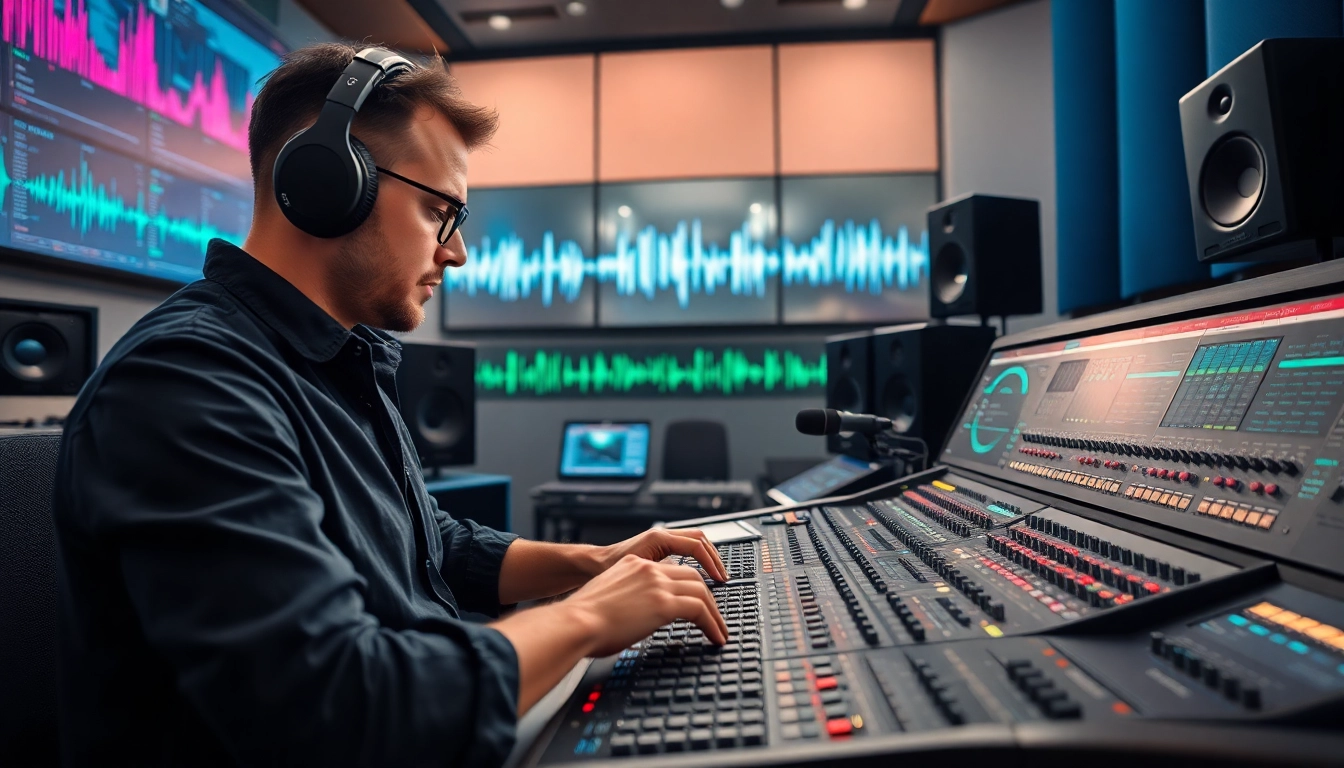
Understanding Online Audio Mastering
What is Online Audio Mastering?
Online audio mastering is the final step of audio production, providing a polished and professional finish to music tracks. It involves adjusting the sonic elements of a recording to ensure optimal playback across various platforms and formats. This process typically encompasses equalization, compression, and limiting, all aimed at enhancing the track's overall sound quality. Unlike traditional mastering, which often requires physical presence in a studio, online audio mastering leverages advanced digital technologies to deliver these services remotely. Many artists and producers are now turning to online audio mastering for its convenience and accessibility.
Importance of Online Audio Mastering
The importance of online audio mastering cannot be overstated. It serves as the bridge between the creative process of music production and the final product that listeners hear. Proper mastering ensures that tracks sound consistent and professional, irrespective of the playback device, whether it's a high-end sound system, earbuds, or streaming platforms. Additionally, mastering helps in elevating the emotional impact of the music, making it more engaging for the audience. With the growth of digital distribution, having a well-mastered track has become essential for artists aiming to compete in the crowded music market.
Difference Between Mastering and Mixing
Mastering and mixing are often confused, yet they serve distinct purposes in the audio production workflow. Mixing is the process of blending and balancing individual tracks in a recording to create a cohesive sound. This stage involves adjusting levels, pan, and effects like reverb or delay to ensure that each element complements the others. In contrast, mastering is the last stage where the mixed track is refined for distribution. It focuses on optimizing the mix for playback across various formats and ensuring that it meets industry loudness standards. A good analogy is to think of mixing as preparing a meal, while mastering is about presenting the meal attractively.
Choosing the Right Online Audio Mastering Service
Criteria for Selecting a Service
When it comes to choosing an online audio mastering service, several key factors should be considered. First, assess the service's track record and reputation in the industry. Look for reviews and testimonials from past clients, which can provide insight into the quality of their work. Additionally, consider the range of services offered. Some platforms may specialize in specific genres or types of audio, while others may offer a broader range of mastering options. The user interface should also be intuitive, making it easy to upload tracks and receive results. Finally, examine the turnaround time and customer support offerings to ensure that the service meets your deadlines and provides assistance when needed.
Comparing Features and Pricing
Pricing varies widely across online audio mastering services, often reflecting the features they provide. Some platforms offer a range of packages, from basic to premium options, which include added enhancements such as detailed feedback or multiple revisions. When comparing pricing, ensure you're not just looking at the lowest cost but also considering what you receive in return. Features like high-resolution file delivery, master file formats, and additional services such as stem mastering can justify higher prices. Make sure to weigh these aspects against your budget and specific needs as an artist or producer.
Reading Reviews and Testimonials
The experiences of previous clients can provide valuable insights into the effectiveness of an online audio mastering service. Look for testimonials on the service provider's website and third-party review sites. Pay attention to comments regarding sound quality, customer service, and the overall experience. Particularly beneficial are detailed reviews that describe specific interactions or outcomes, as these can give you a clearer picture of what to expect. Engaging on social media platforms and music forums to gather opinions can also help in forming a well-rounded view.
The Online Audio Mastering Process
Preparing Your Track for Mastering
Prior to sending your track for mastering, it is crucial to ensure it is properly prepared. Start by exporting your mix at the highest quality possible, typically in a WAV or AIFF format. Make sure that you leave enough headroom in the final mix—aim for peaks around -6 dB. Avoid excessive compression and limiting as these can reduce the mastering engineer's ability to enhance the track. It's also advisable to provide notes or reference tracks to give the mastering engineer a clearer understanding of your vision for the track. This preparation phase can significantly affect the quality and effectiveness of the mastering process.
Common Techniques Used in Online Audio Mastering
Online audio mastering employs several techniques to refine the sound of a track. Equalization (EQ) is frequently used to balance frequencies, enhancing desired elements while attenuating others. Compression is implemented to control dynamic range, ensuring the loudest parts of the track insert appropriately with the softer sections. Additionally, limiting prevents audio clipping and maximizes the track’s loudness. Other techniques may include stereo widening to enhance spatial quality and harmonic enhancement to add warmth and depth to the overall sound. The combination of these techniques results in a polished and professional final product.
Understanding the Turnaround Time
Turnaround time for online audio mastering can vary based on the service provider and the complexity of the project. Many services advertise fast turnaround, sometimes offering results within a day or two. However, requesting additional revisions, or having an especially large project can extend this timeframe. It's always good to verify the expected delivery date when you submit your tracks. Be prepared for the possibility of delays, especially if you’re using a popular service during peak times. Good communication with the service provider can also help in managing expectations.
Best Practices for Online Audio Mastering
Maintaining Quality Throughout the Process
Quality control is essential at all stages of online audio mastering. Ensure your original tracks are recorded and mixed with the best quality in mind. Commit to high-quality audio formats for submission, as lower-quality files can limit the effectiveness of the mastering process. Additionally, working with a reputable mastering service that employs skilled engineers can enhance the final product significantly. Regularly listen to your tracks in various environments to gain a comprehensive understanding of sound quality and make necessary adjustments before submission.
Delivering the Best File Formats
When delivering your tracks for mastering, the file format is crucial for achieving the best results. Most services recommend high-resolution files, such as WAV or AIFF, which maintain audio fidelity. It's also important to ensure that the sample rate and bit depth reflect industry standards—at least 44.1 kHz/24-bit is common. Additionally, make sure all audio is properly labeled for easy identification during the mastering process. Following these specifications ensures your track has the best chance of sounding great in the final mastered version.
Evaluating the Final Product
Once your track has been mastered and returned to you, taking time to evaluate the final product is crucial. Listen through multiple playback systems, including studio monitors, headphones, and consumer-level speakers to gauge its quality. Pay attention to the clarity of instruments, the balance of frequencies, and the overall emotional impact of the track. If you notice elements that seem off, don't hesitate to communicate with your mastering engineer. They can provide revisions if necessary. Evaluating the final product ensures your music meets your high standards and effectively connects with your audience.
Common Questions About Online Audio Mastering
Can I Master My Own Tracks Online?
Yes, you can master your own tracks using various online mastering software tools. However, professional mastering services often offer superior quality due to expert ears and advanced equipment. It can be beneficial to compare your self-mastered tracks with pro-grade masters to understand the differences.
How Much Does Online Audio Mastering Cost?
Pricing for online audio mastering varies widely, typically ranging from $25 to several hundred dollars per track. Factors affecting cost include the service provider, the complexity of the track, and additional features like revisions or enhanced services.
What File Formats Are Required?
Most online audio mastering services require high-quality audio files, preferably in WAV or AIFF format. Ensure that you deliver files with adequate headroom and proper labeling for the best results and smoother workflow during mastering.
Is Online Audio Mastering Worth It?
Absolutely. Online audio mastering can enhance the professional quality of your tracks, ensuring they are competitive and sound great on all playback systems. Investing in proper mastering is crucial for artists looking to establish themselves in the music industry.
How Long Does the Mastering Process Take?
The turnaround time for online audio mastering can range from a few hours to several days, depending on the service and the complexity of your project. It’s advisable to check with your chosen mastering service for their specific timelines.