
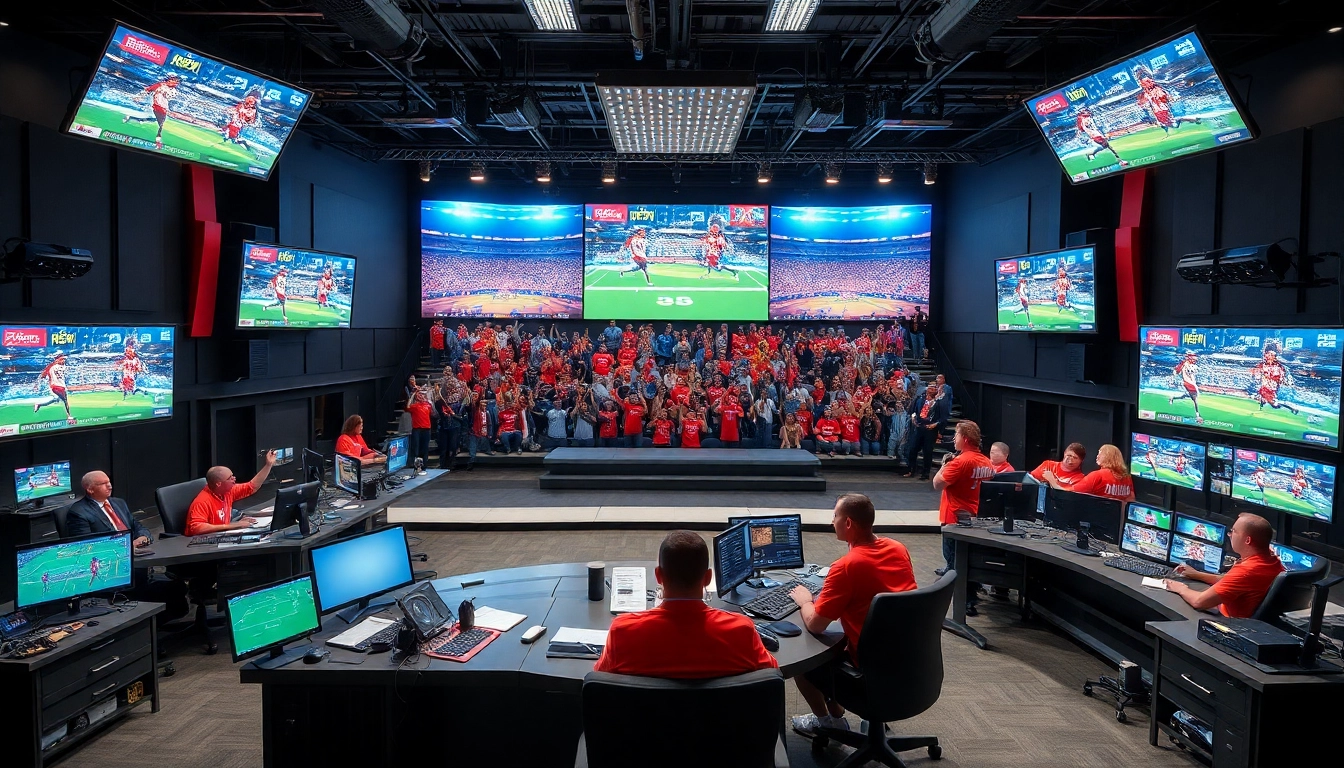
Understanding Sports Broadcasting
Definition and Impact of Sports Broadcasting
Sports broadcasting refers to the live transmission of sports events through various media channels, including television, radio, and online platforms. Its primary aim is to engage viewers, enhance the experience of fans, and create an emotional connection between the audience and the sport. The reach and influence of Sports Broadcasting have transformed how fans interact with their favorite teams and events, offering them unprecedented access to real-time information and live coverage.
Historical Evolution of Sports Broadcasting
The journey of sports broadcasting began in the early 20th century with radio broadcasts of significant sporting events, allowing fans to follow their favorite teams from the comfort of their homes. The introduction of television in the mid-20th century took this engagement to new heights, offering visual representation of sports and enabling fans to witness games live. Over the years, as technology advanced, sports broadcasting evolved from traditional over-the-air TV to cable networks and, more recently, to digital streaming platforms, providing more flexibility and options for viewing.
Types of Sports Broadcasting Platforms
Sports broadcasting can be categorized into several platforms:
- Television Broadcasts: Traditional broadcasts on cable and satellite channels continue to be popular, especially for major sporting events.
- Online Streaming Services: Services like Netflix or specialized platforms like ESPN+ offer live sports content, catering to the growing demand for on-demand viewing options.
- Radio Broadcasting: Live commentary on radio remains a reliable method for fans to stay updated, especially in regions with limited access to television or internet.
- Social Media Live Streaming: Platforms like Facebook Live or Twitter allow for live-streaming sports events, engaging fans in real-time discussions and interactions.
Key Technologies in Sports Broadcasting
Live Streaming Technology Explained
Live streaming technology has revolutionized the way sports events are consumed. Through high-speed internet connections, viewers can enjoy live broadcasts on various devices, including smartphones, tablets, and smart TVs. The use of Content Delivery Networks (CDNs) ensures that live streams are delivered seamlessly, minimizing buffering and enhancing user experience. Additionally, technologies like Adaptive Bitrate Streaming adjust the quality of the stream based on the viewer's internet speed, ensuring consistent performance.
Broadcasting Software and Equipment
The backbone of any sports broadcast is a combination of advanced software and high-end equipment. Broadcasting software enables the integration of graphics, overlays, and commentary to enhance the viewing experience. Equipment such as high-definition cameras, drones for aerial shots, and advanced audio systems contribute to producing visually stunning and immersive broadcasts that captivate audiences.
Role of Social Media in Sports Broadcasting
Social media platforms play a crucial role in modern sports broadcasting, serving as a bridge between fans and broadcasters. They facilitate real-time interaction, allowing viewers to discuss games, share highlights, and engage with players. Social media also serves as a marketing tool, where broadcasters can promote upcoming events, share behind-the-scenes content, and create a sense of community among fans, enhancing overall engagement.
Challenges Facing Sports Broadcasting Today
Licensing and Broadcasting Rights Issues
Securing broadcasting rights has become increasingly complex, with league agreements and regional restrictions creating challenges for broadcasters. The competition is intense, as networks vie for exclusive rights to major sporting events, leading to soaring costs. This dynamic often impacts how sports events are accessible to fans, with regional blackouts and subscription fees becoming common issues.
Adapting to Changing Viewer Preferences
Today's sports fans exhibit diverse viewing preferences, with many gravitating towards on-demand content rather than traditional live broadcasts. Understanding these preferences is critical for broadcasters looking to maintain relevance. Employing audience analytics allows for a better grasp of viewer habits, enabling broadcasters to adjust their offerings to align with consumer demands, such as shorter highlight packages or interactive viewing options.
Managing Online Piracy and Copyright Infringement
The rise of online streaming has accelerated issues of piracy and copyright infringement in the sports broadcasting industry. Unauthorized streaming sites undermine legitimate broadcasters, impacting revenue and potentially diluting the value of sports rights. Broadcasters must invest in technology and legal frameworks to combat these issues, along with educating fans about the benefits of watching through official channels.
Best Practices for Engaging Audiences
Creating Interactive Viewing Experiences
Engaging audiences goes beyond mere viewership; it involves creating interactive experiences that captivate fans. Features like live polls, instant replay options, and viewer-driven content choices allow audiences to shape their viewing experience. Integrating these elements can help deepen fan engagement and retention by making them feel integral to the event.
Incorporating Audience Feedback and Analytics
Utilizing audience feedback is vital for enhancing sports broadcasts. Surveys, social media inquiries, and analytics can provide insights into audience preferences and viewing habits. By actively listening to their audience, broadcasters can refine content delivery, adjusting strategies as needed to boost engagement and satisfaction.
Utilizing Influencers and Partnerships
Partnering with influencers, athletes, and even other brands can significantly amplify audience reach and engagement. Collaborations can lead to unique content opportunities, such as behind-the-scenes footage or enhanced storytelling around events. By strategically leveraging these partnerships, broadcasters can attract new viewers and enrich content diversity, making broadcasts more appealing to a wider audience.
The Future of Sports Broadcasting
Emerging Trends in Sports Broadcasting
The future of sports broadcasting is poised for innovation with the rise of technologies like artificial intelligence and machine learning. These technologies can optimize content delivery, personalize viewer experiences, and enhance data analytics for broadcasters. Moreover, the integration of esports and traditional sports is blurring boundaries, creating new content formats and engagement opportunities.
Potential Effects of Virtual and Augmented Reality
Virtual reality (VR) and augmented reality (AR) are set to enhance how fans experience sports. VR can transport viewers into the stadium from their homes, while AR can provide additional information during broadcasts, enriching the viewing experience. Implementing these technologies allows for immersive storytelling and deeper engagement, fostering a connection that traditional broadcasts may not achieve.
Preparing for the Next Generation of Sports Fans
As new generations of fans emerge, broadcasters must adapt to their preferences for content consumption. This means investing in mobile-first strategies, engaging with platforms popular among younger audiences, and continuously exploring innovative ways to connect with fans. Understanding the evolving landscape of entertainment consumption is essential for long-term success in sports broadcasting.
Frequently Asked Questions
What is Sports Broadcasting?
Sports broadcasting refers to the live transmission of sports events through various media channels, including TV, radio, and online platforms, aiming to engage viewers and fans.
How has Sports Broadcasting evolved?
Over the years, sports broadcasting has transitioned from radio broadcasts to live television and now includes streaming services and on-demand content, catering to changing audience preferences.
What technologies are crucial for Sports Broadcasting?
Key technologies for sports broadcasting include live streaming platforms, advanced broadcasting software, high-definition cameras, and graphics systems that enhance viewer engagement.
What are the biggest challenges in Sports Broadcasting?
Challenges include securing broadcasting rights, adapting to viewer habits, managing social media interactions, and addressing unauthorized streaming that threatens revenue.
What does the future hold for Sports Broadcasting?
The future may see more immersive experiences through virtual and augmented reality, personalized content delivery, and increased audience interactivity via social media and apps.